Reducing cholera deaths in Congo: CERF allocates $1 million
06 November 2025
Brazzaville, November 6, 2025 – The United Nations Central Emergency Response Fund (CERF) has allocated $1 million to support the national response to the cholera epidemic currently affecting the Republic of Congo. This allocation aims to contain the spread of the disease, reduce the number of deaths, and ensure the availability of medicines and safe drinking water in affected areas.
Since the end of July, Congo has been facing a cholera outbreak that has already caused 67 deaths, 749 suspected cases, and a case fatality rate of 8.2%. The most affected areas are Mbamou Island and Talangaï (Brazzaville department), as well as Mossaka-Loukolela (Congo-Oubangui department). The epidemic mainly affects isolated rural areas where access to health services is poor, which explains why most deaths have occurred in communities. The risk of geographical spread of the epidemic remains high, especially with the start of the school year and the rainy season.
In response to the epidemic, the Ministry of Health and Population, with the support of United Nations agencies, has developed a national response plan aligned with the global cholera elimination strategy.
The United Nations agencies, in keeping with the spirit of “One UN,” are working closely with the Congolese government to strengthen case management, surveillance, and the capacities of health professionals, and to coordinate humanitarian interventions.
CERF support will strengthen priority response activities and will focus on three main areas. Medical care is the first pillar, with the provision of essential medicines including cholera kits, antibiotics, and oral rehydration solutions (ORS), accompanied by the establishment of cholera treatment centers (CTCs) and the deployment of mobile clinics to ensure extensive health coverage, particularly in villages and localities that are difficult to access.
The second pillar concerns surveillance and epidemiological investigations, which rely on biological sampling, laboratory confirmation, and real-time information management to monitor the evolution of the epidemic and adapt interventions.
Improving water, sanitation, and hygiene (WASH) conditions is the third strategic component, including the provision of drinking water through the installation of chlorination points and the rehabilitation of boreholes, as well as the distribution of WASH kits containing buckets, soap, chlorine, and handwashing devices.
In addition to these priorities, risk communication and community engagement are essential cross-cutting pillars that support the effectiveness of the overall response by mobilizing communities, disseminating reliable information, building trust and community buy-in, combating rumors, and promoting preventive behaviors.
Response interventions will primarily target localities along the river corridor, identified as the most vulnerable areas. Mobile teams will be deployed to the most vulnerable communities to strengthen care, promote disease prevention, and limit the spread of the epidemic to rural areas and neighboring departments.
"Lives are at risk from this deadly epidemic. This $1 million allocation from UNCERF will save lives by improving access to quality care, ensuring access to medicines and safe drinking water, and communicating effectively about cholera," said Abdourahamane Diallo, United Nations Resident Coordinator in the Republic of the Congo.
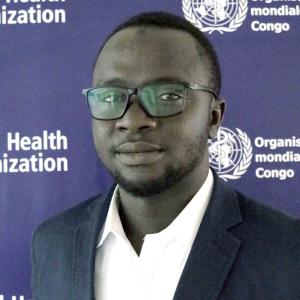

Prosper Mihindou Ngoma




UN entities involved in this initiative
Goals we are supporting through this initiative


